
Weddings have always been milestones of love and community, but the way we celebrate them has evolved dramatically. From modest beginnings during the Great Depression to today’s grand, highly personalized affairs, here’s a look at 15 major wedding elements and how they’ve changed over the past 90 years. Use this insight to blend timeless traditions with fresh ideas for your own special day!
1. Wedding Dresses
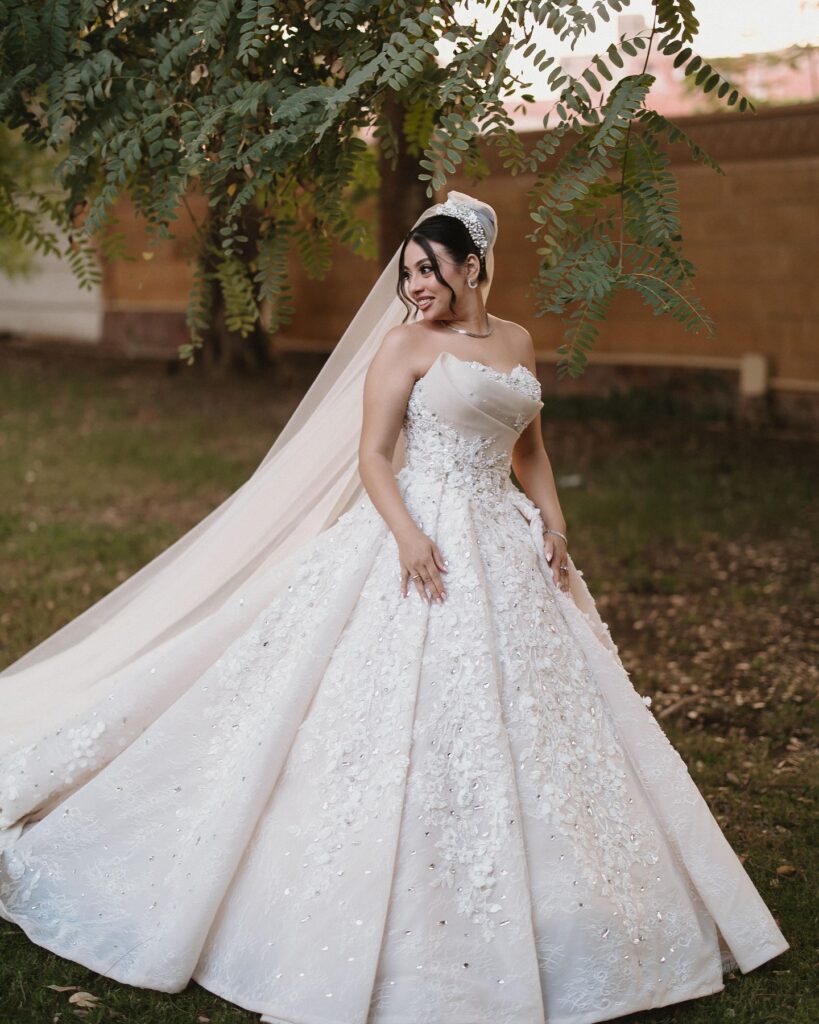
Then: Brides often wore simple, practical gowns, sometimes reusing formal dresses they already owned.
Now: Today’s gowns come in endless styles—lace, satin, boho chic, even colored dresses—designed to match every personality and body type.
2. Groom’s Attire
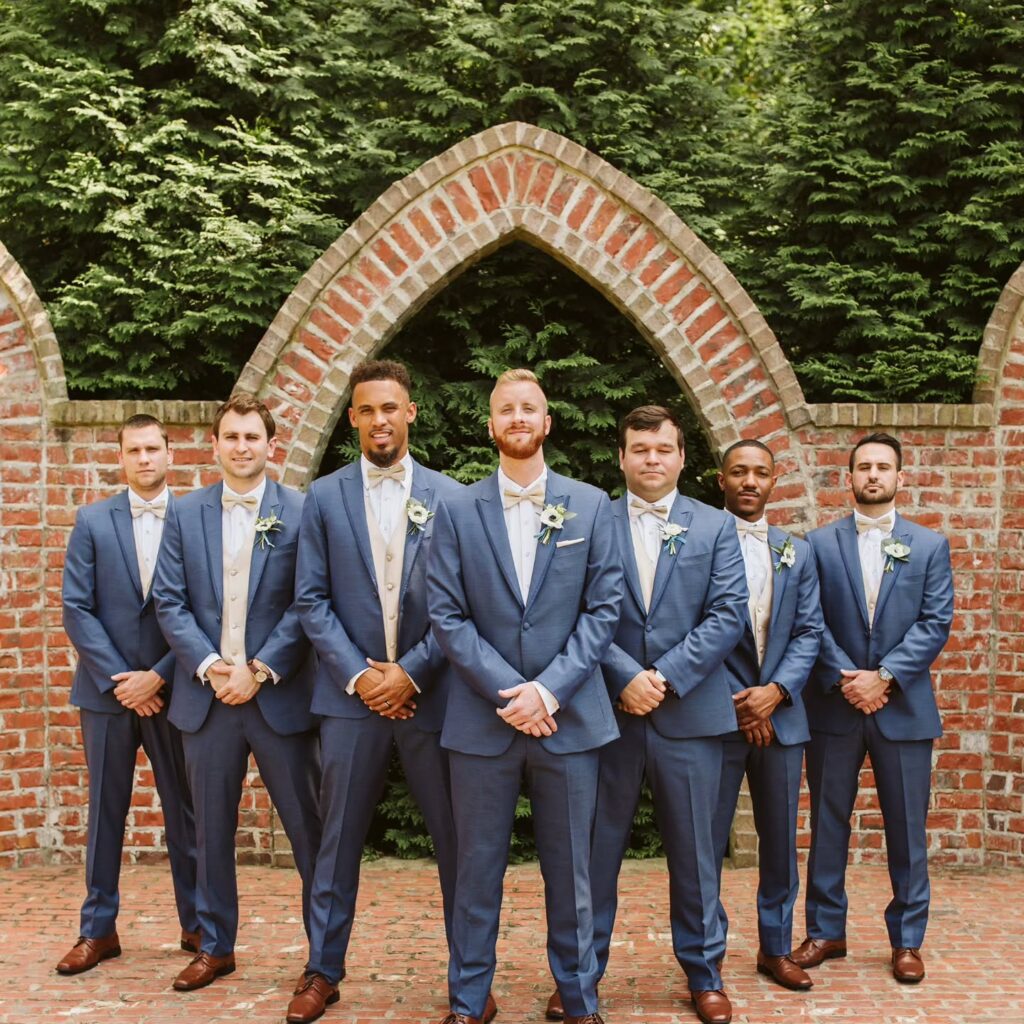
Then: Grooms wore their best suits, typically in darker, muted tones without much personalization.
Now: Grooms now embrace custom tailoring, colored suits, personalized accessories, and even casual looks depending on the wedding vibe.
3. Engagement Rings
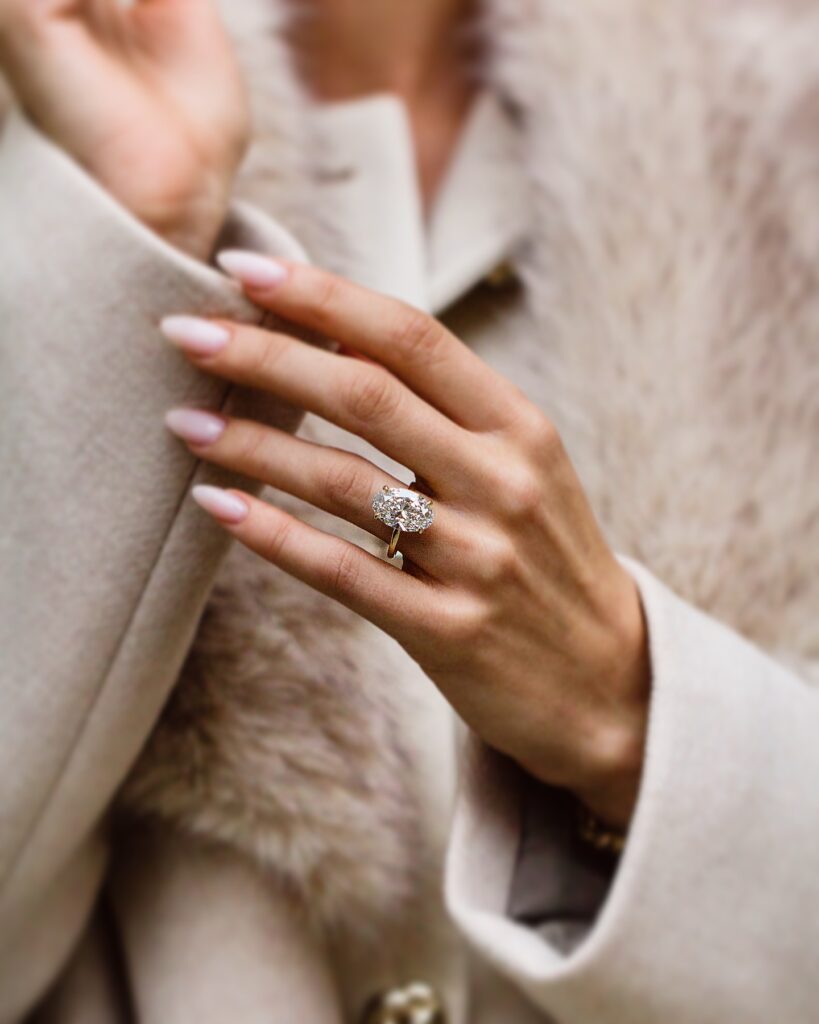
Then: Simple gold bands or modest diamond rings became popular only after heavy marketing in the 1940s.
Now: Rings today reflect individuality, from vintage settings and colored gemstones to minimalist bands and ethically sourced diamonds.
4. Wedding Venues
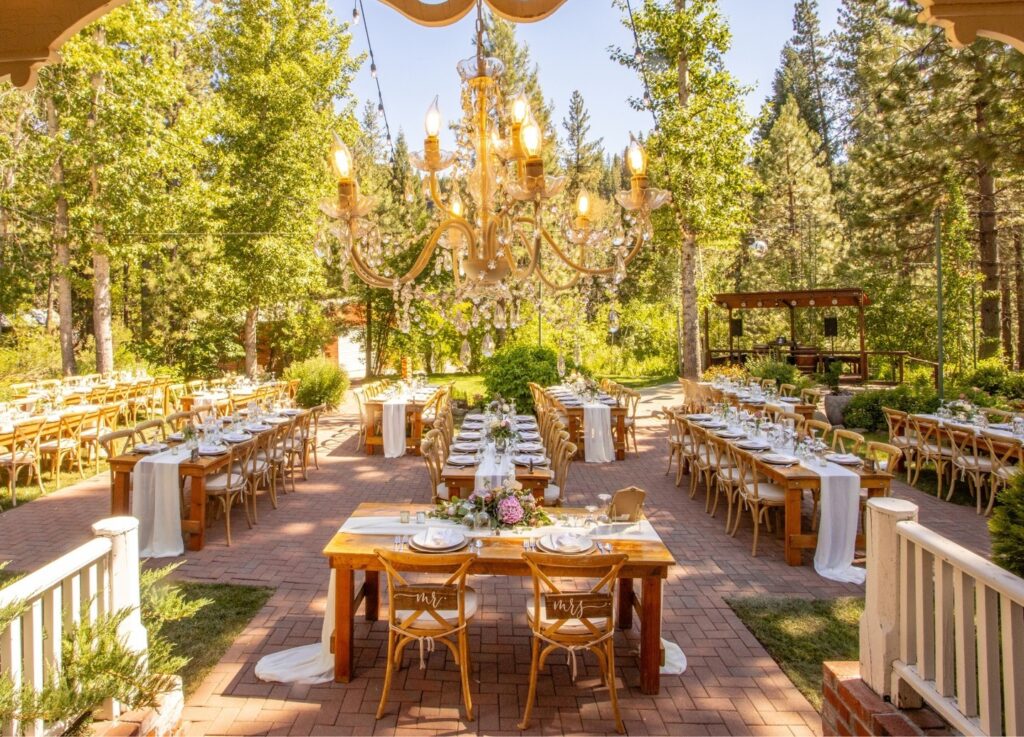
Then: Ceremonies were almost always held in churches or family homes, followed by a simple gathering.
Now: Venues today range from tropical beaches to art galleries, with couples choosing spaces that reflect their love story.
5. Guest Lists
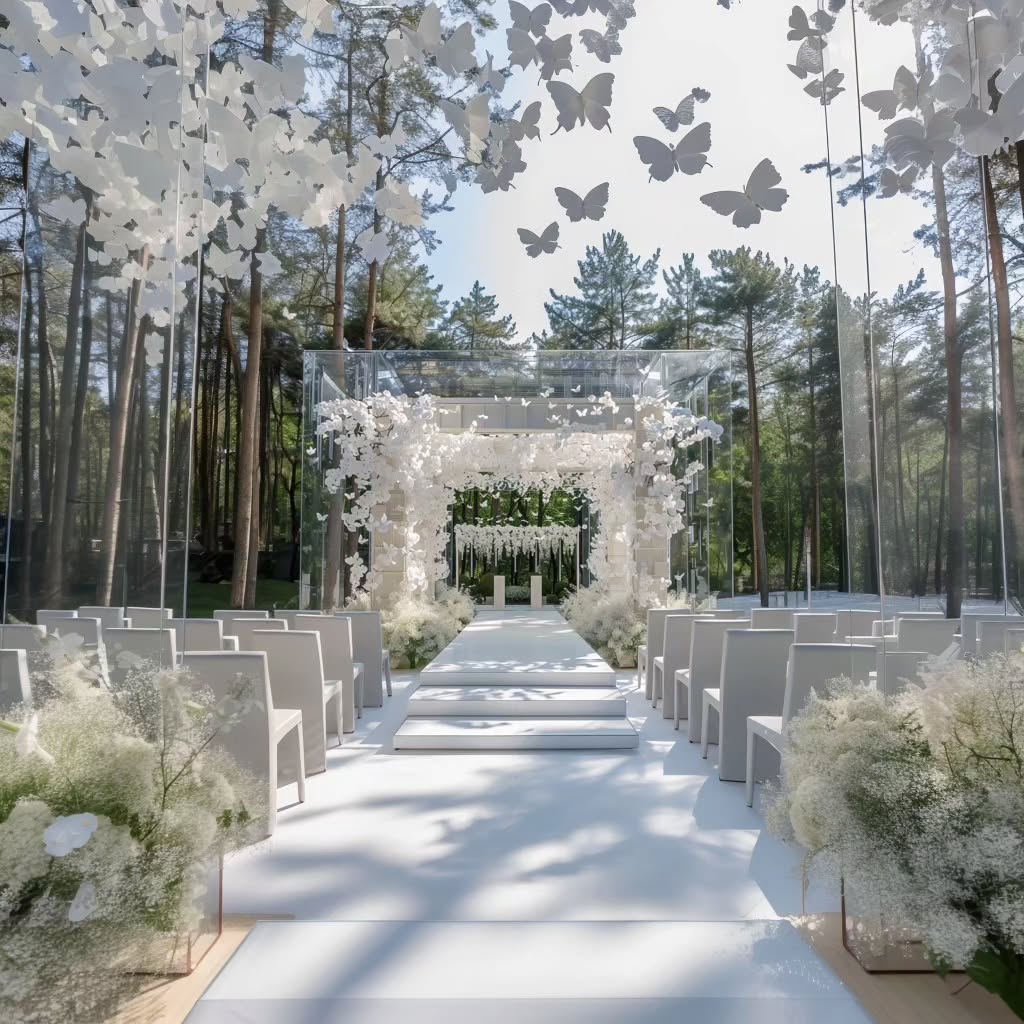
Then: Weddings were intimate, family-focused affairs with local guests only.
Now: Guest lists can reach hundreds, with destination weddings and live streams making it possible for everyone to join in.
6. Wedding Invitations
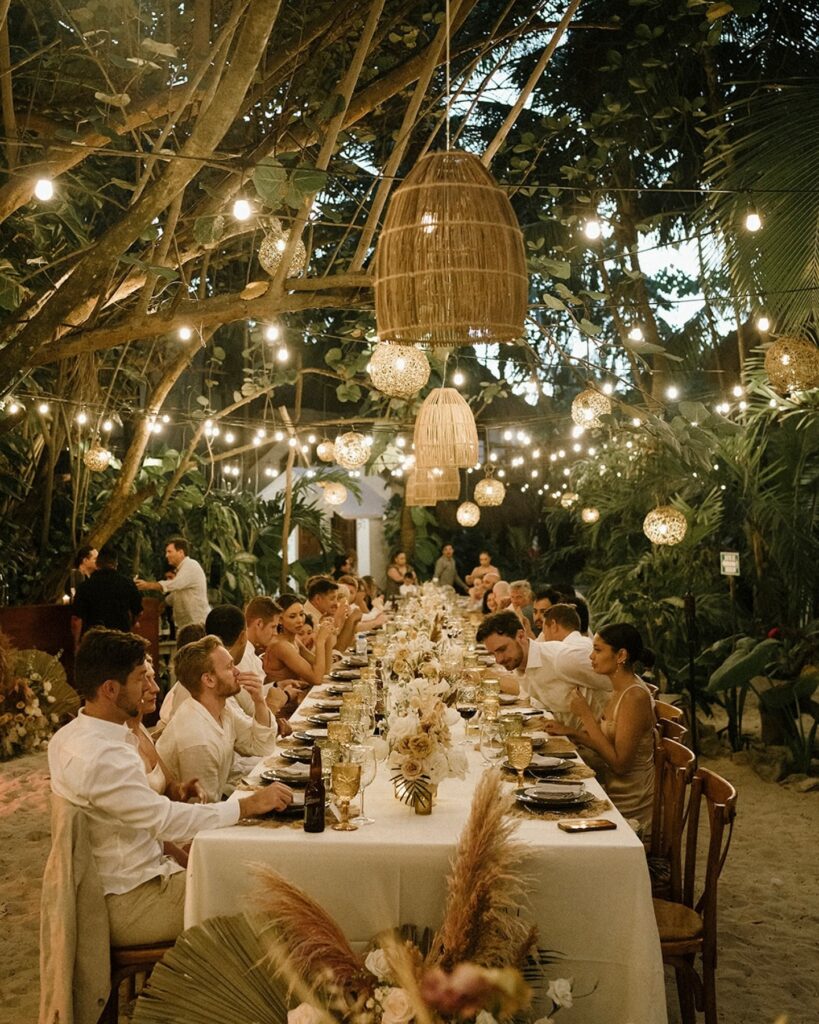
Then: Handwritten or simply printed cards were standard, often delivered in person or by post.
Now: Couples use luxury stationery, calligraphy, custom illustrations, and even e-invites to reflect their wedding theme and personality.
7. Bridal Party
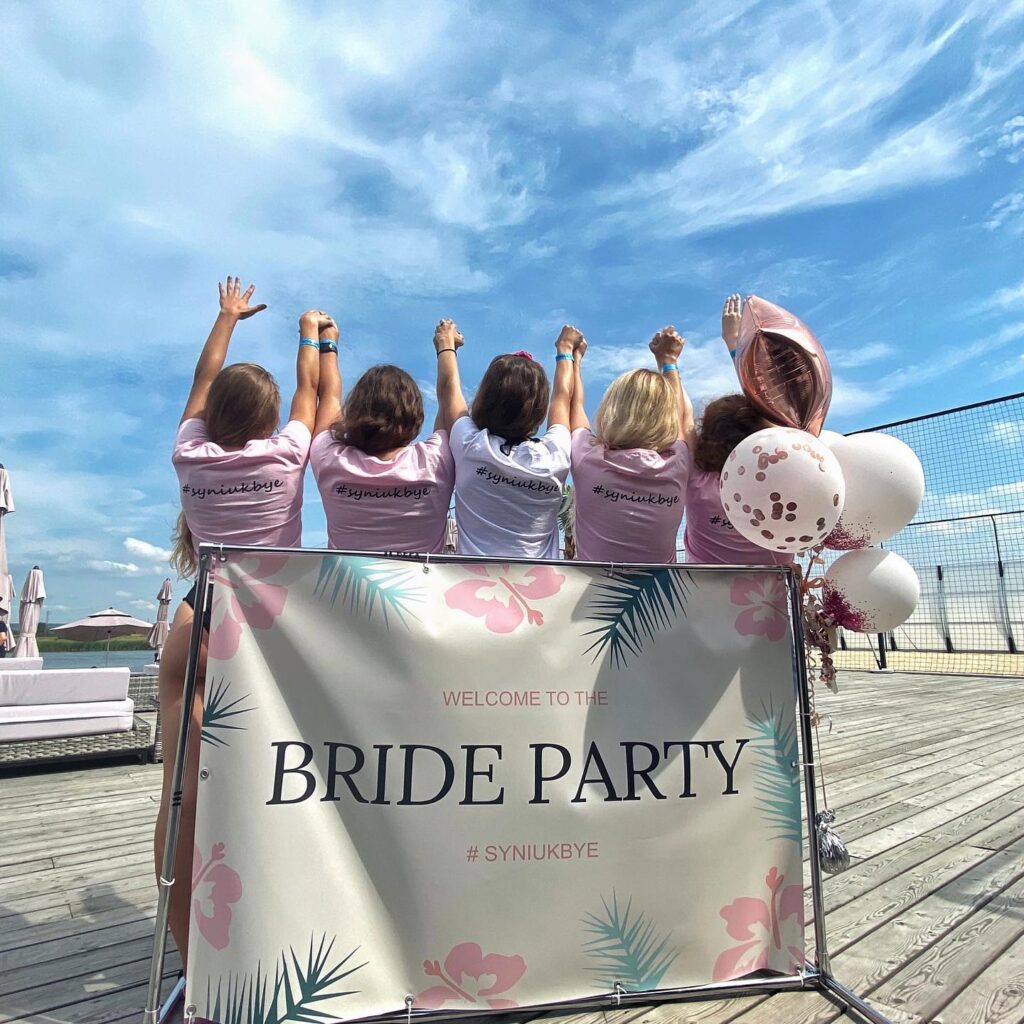
Then: Bridal parties were minimal—usually just one or two attendants for each partner.
Now: Bridal parties can be large and diverse, featuring friends, siblings, pets, and even mixed-gender wedding squads.
8. Ceremony Traditions
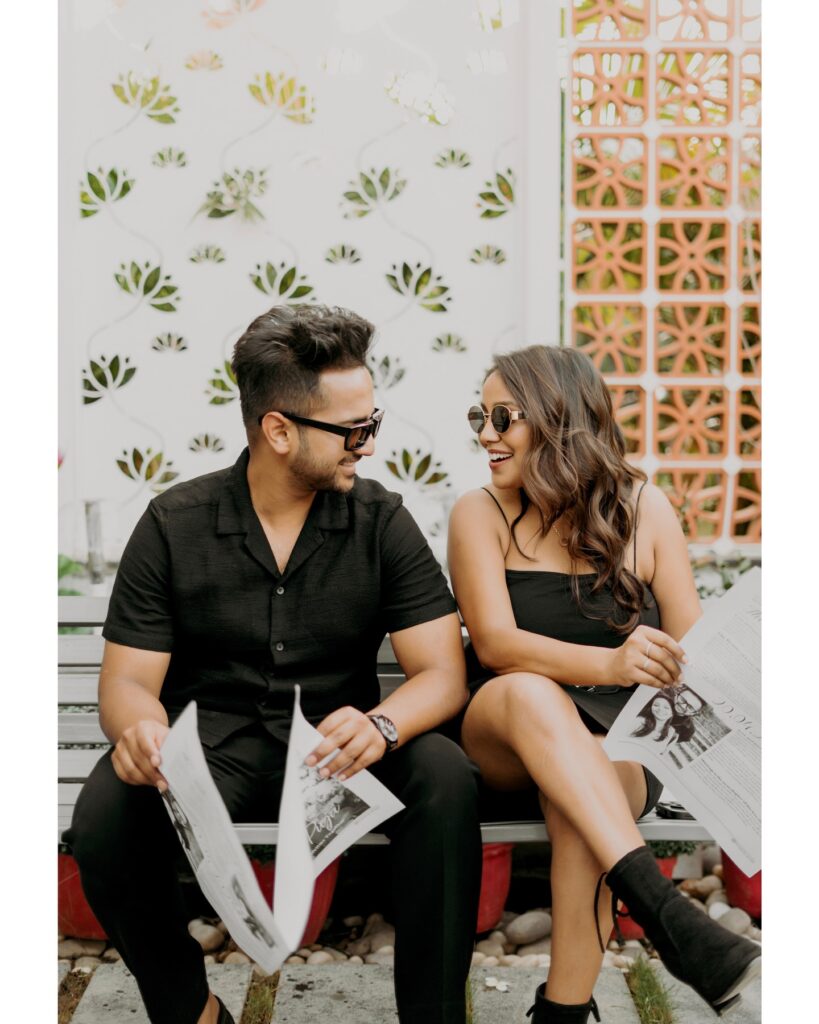
Then: Traditional religious ceremonies dominated, with little room for customization.
Now: Couples create personal rituals, like handfasting, personalized vows, or blending cultural traditions from both sides.
9. Reception Entertainment
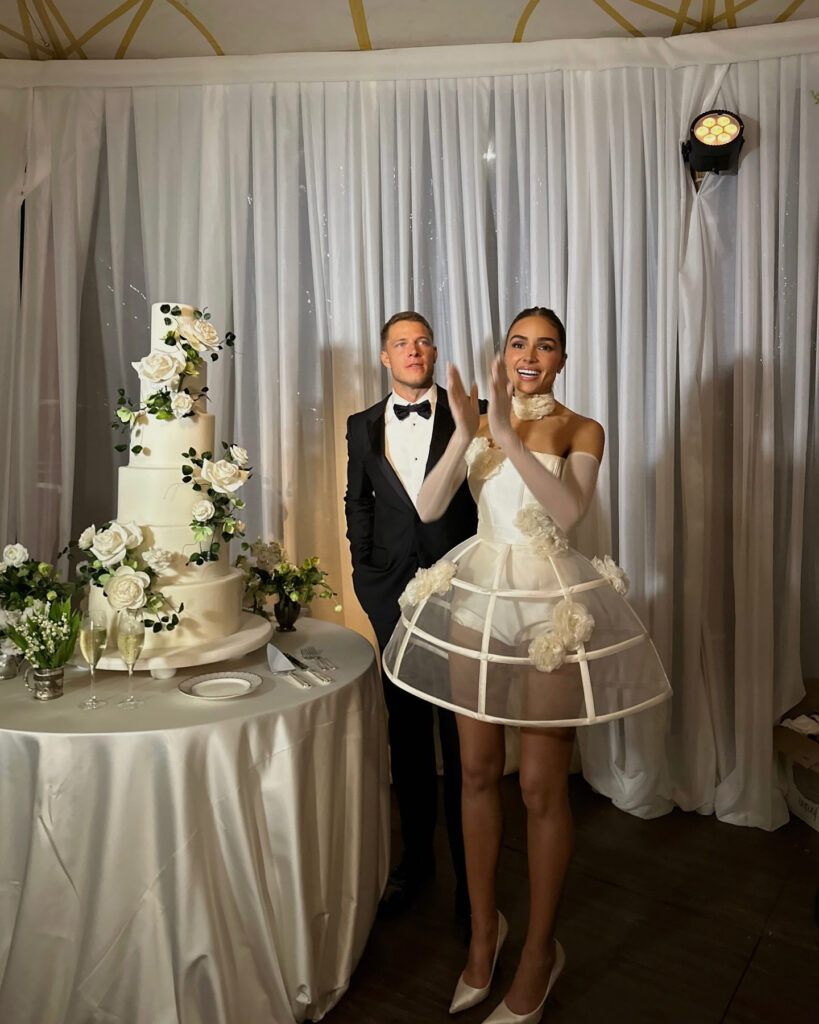
Then: A small band or a family friend playing music was common entertainment.
Now: Professional DJs, live bands, photo booths, fireworks, and even live performers like magicians or dancers keep guests entertained.
10. Photography and Videography
Then: Formal, black-and-white portraits captured the basics of the day.
Now: Candid, storytelling photography and cinematic videography capture the emotion, energy, and tiny moments throughout the entire celebration.
11. Wedding Cakes
Then: Dense fruitcake with simple white icing was the go-to wedding cake.
Now: Cakes come in endless flavors and artistic designs, often paired with dessert tables featuring cupcakes, cookies, or candy bars.
12. Flowers and Decor
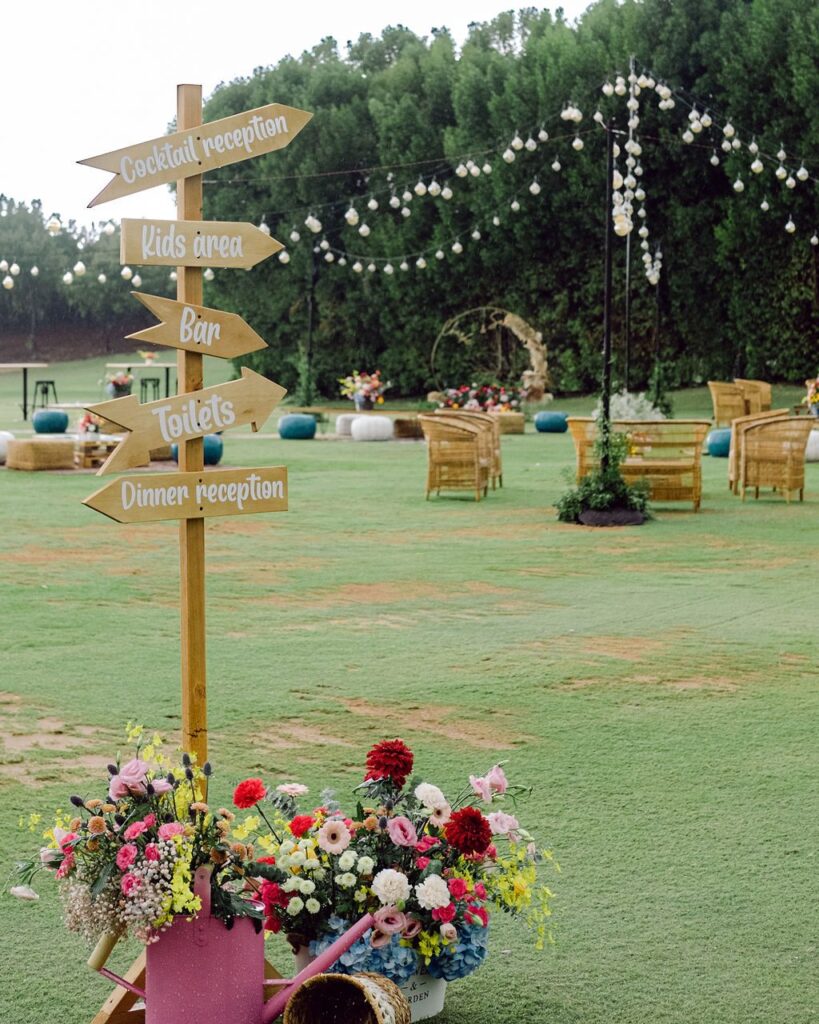
Then: Flowers were simple and seasonal, often handpicked from gardens.
Now: Floral design is an art form with lush installations, hanging gardens, and exotic blooms sourced from around the world.
13. Wedding Favors
Then: Favors were often small and homemade, like sugared almonds representing good fortune.
Now: Couples offer creative, customized favors like mini succulents, locally sourced goodies, or even charity donations in guests’ names.
14. Honeymoons
Then: Honeymoons were modest and often close to home due to financial or travel limitations.
Now: Couples embark on elaborate trips around the world, opting for experiences like safaris, cruises, or luxury eco-resorts.
15. Wedding Planning
Then: Wedding planning was a family-led affair, with limited professional help unless very wealthy.
Now: Professional wedding planners, coordinators, stylists, and even full wedding design teams help couples craft their dream day down to the last detail.

